
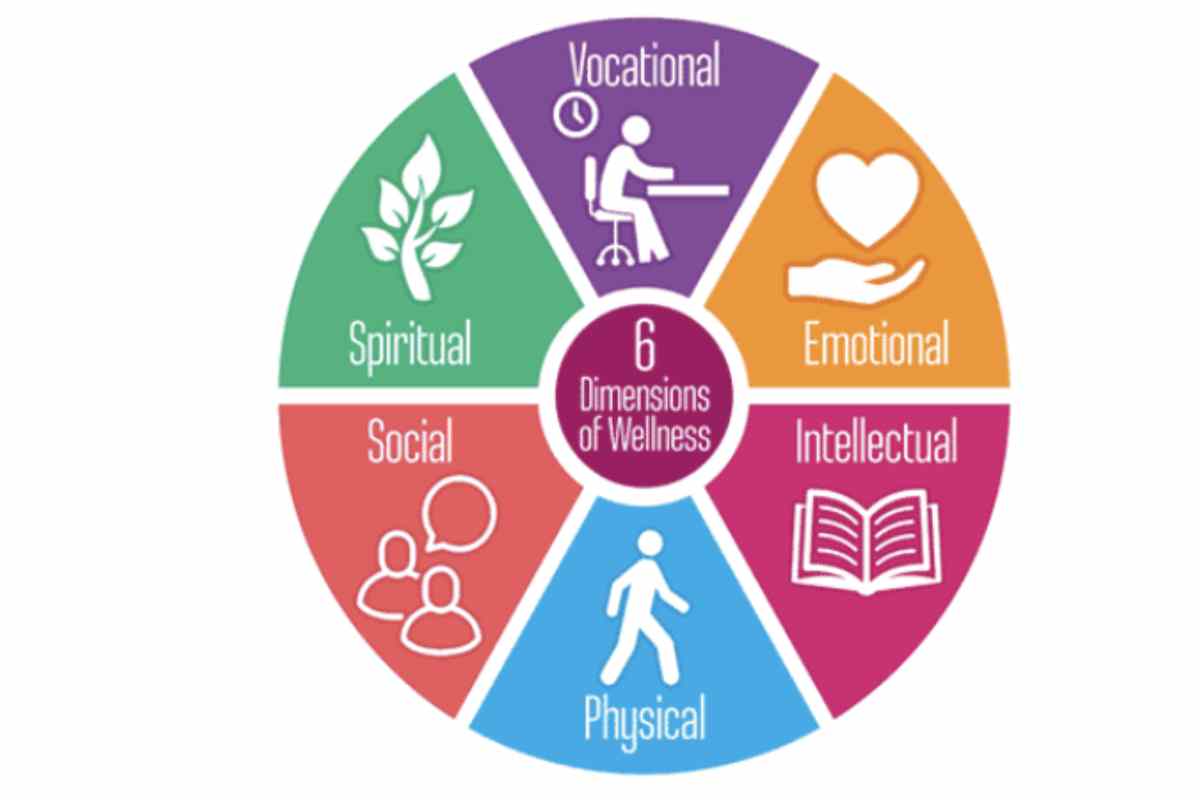
Wellness is a dynamic and continuous process of making decisions which results in a balanced and satisfying life. It does not only mean the lack of disease but the general well-being in terms of physical, mental, emotional, social, and spiritual.
The wellness concept is based on prevention, self-awareness, and healthy lifestyle behavior instead of treating disease as it develops. Wellness is an individual concept unlike the health which is usually determined clinically, but through daily behavior, surroundings, and attitude. It is different among people depending on culture, age, and individual objectives. Wellness lifestyle promotes positive stress management, high energy level, emotional stability and quality of life in the long term.
Table of Contents
Core Definition of Wellness (Research-Based Table)
| Aspect | Description |
| Origin | Derived from holistic health and preventive care concepts |
| Focus | Whole-person well-being |
| Nature | Proactive and continuous |
| Measurement | Subjective and lifestyle-based |
| Goal | Long-term balance and life satisfaction |
Key Dimensions of Wellness
Wellness is a multidimensional concept, which transcends other aspects of life such as physical health and is concerned with attaining balance in all aspects of life. Learning about the most significant aspects of wellness assists people in developing more health-related habits, becoming more aware of their self, and thus living better lives in general.
Types of Wellness
Physical wellness is the health of the body through various activities that include body exercising, eating well, having sleep, and preventive care. It promotes energy and long-term prevention of diseases.
Mental and emotional wellness is concerned with coping with stress, emotion management, and positive attitude. It consists of coping abilities, emotional strength, and clarity of the mind.
Social wellness focuses on healthy relations, good communication abilities and belonging. Positive social support helps a lot in the stability of emotions.
Spiritual wellness is associated with purpose and meaning of life, it can be personal values, personal beliefs, meditated or reflected. It encourages life satisfaction and peace.
Occupational wellness is defined as a way of having satisfaction and harmony at work or day to day duties and successfully handling stressors.
Environmental wellness promotes coexistence with the environment through the establishment of safe, hygienic and favorable environments.
These dimensions are also interrelated, i.e. the progress in one aspect usually influences other aspects in a positive way. Concentrating on every aspect results in a more rewarding, healthier and long lasting life.
| Dimension | Meaning | Practical Example |
| Physical Wellness | Caring for the body through exercise, nutrition, and rest | Regular workouts, balanced diet |
| Mental Wellness | Ability to cope with stress and think clearly | Mindfulness, problem-solving |
| Emotional Wellness | Understanding and managing emotions | Healthy expression of feelings |
| Social Wellness | Building meaningful relationships | Community involvement |
| Spiritual Wellness | Sense of purpose and values | Meditation, reflection |
| Occupational Wellness | Satisfaction and balance in work life | Skill development, work-life balance |
| Environmental Wellness | Living in harmony with surroundings | Sustainable habits |
Wellness vs Health: Understanding the Key Differences
Health is mainly the physical and psychological condition of a person which is normally measured by medical check ups, diagnosis and healthy living. When an individual is said to be healthy, it typically implies that the body systems are working well and he or she is not suffering any major disease.
Wellness is, however, a more active process that is broader. It concentrates on long term lifestyle decisions that favour general well being. Wellness involves physical fitness, emotional stability, mental health, social relations, spiritual orientation and even financial stability. Wellness is not a fixed state just as health is, one has to work towards it and be aware of themselves.
An individual does not have to be unhealthy, yet lack wellness when he or she is stressed, is not sleeping properly, or cannot balance his or her emotions. In the same way, a person with the chronic condition is still able to experience the high level of wellness when he or she is assuming healthy habits, positive relationships, and mental resilience. The knowledge of the distinction aids people not only to treat disease but to enhance the quality of life on a daily basis.
Wellness vs Health Comparison Table
| Aspect | Health | Wellness |
| Definition | State of physical and mental condition | Ongoing process of balanced living |
| Focus | Disease prevention and treatment | Lifestyle and overall well-being |
| Measurement | Medical tests and symptoms | Daily habits and life satisfaction |
| Timeframe | Short-term or condition-based | Long-term and continuous |
| Approach | Mostly reactive | Proactive and self-directed |
Why Wellness Is Important?
The importance of wellness is that in the well-balanced and satisfying life, it does not just mean staying disease-free. The issue of good health is related to the avoidance of the illness, whereas wellness provides care to the individual, both physically, mentally, and emotionally. Wellness can be practiced to enable people cope with everyday stress, enhance their energy and have a positive attitude towards life.
The adoption of a robust emphasis on wellness encourages healthy behaviors, including exercise, healthy dieting, sleep, and cognition. These practices lower the chances of such chronic illnesses as heart disease, diabetes, and anxiety disorders.
The mental tolerance is improved by wellness also and it becomes very easy to tolerate the stresses at workplace, in relationships and on the personal demands.
With the focus on wellness, individuals adopt a proactive response to their well-being as opposed to responding to health issues when they arise. This commitment extends over a long period of time and results in enhanced quality of life, increased life satisfaction and long-term physical and mental sustenance.
| Benefit Area | Impact |
| Physical Health | Reduces risk of chronic diseases |
| Mental Well-Being | Lowers stress and anxiety |
| Productivity | Improves focus and performance |
| Emotional Balance | Enhances mood stability |
| Longevity | Supports healthier aging |
Common Wellness Practices
| Wellness Dimension | Practices | Benefits |
| Physical | Regular exercise (walking, yoga, strength training) | Improves fitness, circulation, strength, and energy |
| Balanced, nutrient-rich diet | Supports body function, immune system, and healthy weight | |
| Consistent sleep schedule | Enhances recovery, focus, and hormonal balance | |
| Hydration | Maintains skin, organs, and overall metabolism | |
| Preventive health checkups | Early detection of health issues | |
| Mental / Cognitive | Reading, learning new skills | Stimulates brain, improves memory and focus |
| Puzzles, brain games | Boosts problem-solving and cognitive function | |
| Mindfulness, meditation | Reduces stress, improves clarity and attention | |
| Emotional | Journaling, self-reflection | Enhances emotional awareness and regulation |
| Therapy or counseling | Supports mental health and coping strategies | |
| Relaxation techniques (deep breathing, progressive muscle relaxation) | Lowers stress, anxiety, and tension | |
| Social | Quality time with friends/family | Strengthens relationships and support networks |
| Community involvement, volunteering | Builds social bonds, purpose, and empathy | |
| Networking | Career support and personal growth | |
| Spiritual | Meditation, prayer, reflection | Promotes inner peace and purpose |
| Exploring values and purpose | Enhances life satisfaction and direction | |
| Gratitude practices | Increases positivity and resilience | |
| Environmental | Decluttering and organizing living spaces | Reduces stress and increases focus |
| Spending time in nature | Improves mood and reduces fatigue | |
| Reducing exposure to toxins | Protects long-term health | |
| Occupational | Time management, setting boundaries | Reduces burnout, improves productivity |
| Career skill development | Supports growth and satisfaction | |
| Work-life balance | Enhances overall life quality | |
| Financial | Budgeting and saving | Reduces financial stress and uncertainty |
| Planning for future goals | Supports security and confidence | |
| Responsible spending | Avoids debt and financial strain |
Simple Wellness Tips
| Frequency | Wellness Tips | Benefits |
| Daily | Drink water first thing in the morning | Hydrates body, supports metabolism and skin health |
| Move your body (walk, stretch, exercise) | Boosts circulation, energy, and mood | |
| Eat colorful fruits & vegetables | Provides essential vitamins, antioxidants, and fiber | |
| Take short screen breaks | Reduces eye strain, improves focus, and mental clarity | |
| Practice deep breathing or mindfulness | Reduces stress and improves emotional balance | |
| Weekly | Meet a friend or family member | Strengthens social connections and emotional support |
| Journal or reflect | Enhances self-awareness and emotional regulation | |
| Spend time outdoors / in nature | Improves mood, energy, and reduces stress | |
| Try a new physical activity or hobby | Stimulates mental and physical growth | |
| Monthly | Review goals (health, work, relationships) | Keeps life organized, purposeful, and balanced |
| Schedule preventive health checks | Detects issues early and maintains physical wellness | |
| Declutter or organize space | Reduces stress and creates a calm environment | |
| Self-care day (relaxation, spa, rest) | Recharges body and mind, prevents burnout |
Daily Life (Practical Applications)
| Daily Activity | Wellness Impact |
| Morning walk | Improves mental and physical health |
| Balanced meals | Supports immunity and energy |
| Screen breaks | Decreases mental fatigue |
| Gratitude practice | Enhances emotional wellness |
| Time management | Work-life balance can be improved |
Challenges to Achieving Wellness
Wellness is an ongoing process, and the majority of people are faced with a lot of problems that prevent them to lead a balanced lifestyle. The lack of time is one of the most associated issues as the workload and family problems usually leave lots of space to exercise, eat, and rest. The other major challenge is chronic stress that has adverse effects on mental, emotional, and physical health that cannot be managed effectively.
Access to health services, healthy nutrition, or safe conditions may be a problem to wellness as well, especially in underserved groups. Unhealthy behaviors that reduce the general well-being include poor diet, physical inactivity, and excessive screen time. In addition, there are other emotional complications, which interfere with the wellness endeavours, which could be anxiety, diminished motivation, or loneliness.
Money has the potential of restricting access to the available wellness resources, and ignorance or advice may deny individuals the chance to make healthy decisions. One needs to act with minor, everyday alterations of his or her lifestyle, encouragement, and realistic view of well-being rather than ambition to become perfect, in order to overcome all of these.
| Challenge | Description | Impact on Wellness |
| Time constraints | Busy schedules limit self-care | Reduced physical activity |
| Chronic stress | Ongoing mental pressure | Emotional imbalance |
| Poor lifestyle habits | Unhealthy diet, inactivity | Increased health risks |
| Limited resources | Lack of access to care or healthy food | Wellness inequality |
| Emotional barriers | Anxiety, low motivation | Difficulty maintaining routines |
| Financial pressure | High cost of wellness options | Limited preventive care |
| Lack of awareness | Insufficient health knowledge | Poor decision-making |
Simple Wellness Tips by Region
| Region | Daily Tips | Weekly Tips | Monthly Tips |
| India | Drink plenty of water, especially in hot/humid weather | Practice yoga or outdoor walks | Schedule preventive health checkups (BP, sugar, vitamin levels) |
| Eat seasonal fruits and vegetables | Socialize with family and friends | Declutter living spaces and ventilate home | |
| Take short breaks from screens | Spend time in nature or parks | Self-care day: spa, massage, or relaxation | |
| Practice deep breathing or meditation | Try new healthy recipes | Review health and lifestyle goals | |
| UK | Take vitamin D supplements (low sunlight) | Join walking groups or outdoor activities | Preventive checkups (blood pressure, cholesterol, vitamin D) |
| Drink water and herbal teas | Socialize with friends / family | Organize home and reduce clutter | |
| Eat warm, nutritious meals | Practice mindfulness or journaling | Take a weekend nature trip (parks, countryside) | |
| Short indoor exercises if weather is poor | Try new hobbies or crafts | Self-care day for relaxation and mental recharge | |
| USA | Hydrate regularly (especially in dry or hot regions) | Outdoor activities (walking, biking) | Preventive health checkups (annual physical, dental, eye exams) |
| Eat balanced diet (fruits, vegetables, whole grains) | Connect socially with friends and family | Plan and review fitness & wellness goals | |
| Limit screen time and take eye breaks | Practice mindfulness or meditation | Declutter home or workspace | |
| Daily exercise (home workout, gym, or park) | Explore new hobbies | Self-care day (spa, massage, or rest) |
Conclusion
Wellness is not a specific destination but a lifelong process that is determined by decisions in day-to-day life. With the help of considering various aspects of well-being, one can build a healthier and more balanced life, which promotes personal development and happiness in the long term.
Also Read: Inhealthfitness.com